
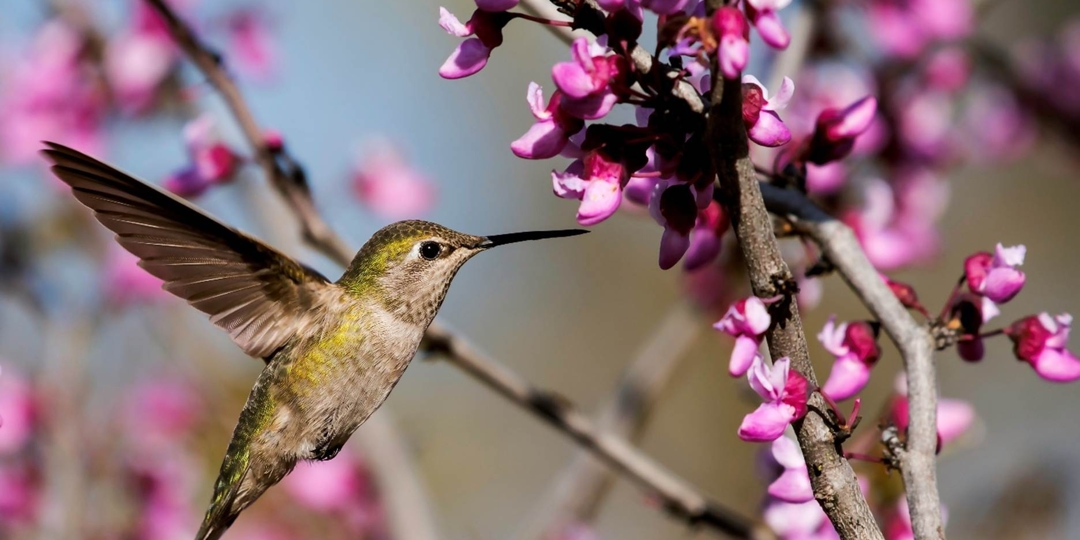
Valentine’s Day is a favorite holiday celebrating love for family, friends - or a special person in your life. Though outdoor temperatures may still be chilly, this is a time to consider the fast-approaching warmer days of spring and renewal of life ahead. A special way to commemorate this day is to think about - and start making plans - to plant a tree.
There are many reasons that gifting a tree makes a beautiful and meaningful gesture to give to someone and celebrate something that you care about. Trees have long been symbols of love and devotion in cultures and traditions throughout the globe. Planting a tree is also an act of hope and a declaration of gratitude for the natural world, offering a tangible way to give back to the planet that sustains us.
In honor of Valentine’s Day, this article will discuss the benefits of planting native trees, which offer a special array of environmental benefits. Here you will find some basic suggestions to help you plant trees with success, and we’ll go over a list of six of our favorite native trees that are sure to add beauty, ecological benefit, and enjoyment to your landscape for many years.
Why plant native trees?
Over the course of thousands of years of natural history, native trees have evolved and become critical members of the living community that coexist in the area where you live. Due to the pressures of ongoing and ever-expanding building development, paired with frequent choices to plant exotic non-native trees, many native tree species have been displaced and are facing decline. Eliminating native trees risks endangerment of other interconnected bird and wildlife populations, as well as the many invaluable ecological resources they collectively produce.1
So, choosing to plant a native tree can have a hugely positive impact on the environment, enhancing the many benefits and natural ecosystem services that make our world a more comfortable and healthier place to live in. Plus, regionally native tree species generally feel more “at home” and are more likely to grow and thrive in harmony with the local climate, soil, and wildlife that they evolved with and remain vitally connected to.
By selecting and planting trees that naturally belong to where you live, you can foster biodiversity, support pollinators, and create valuable food sources and habitats for local birds, butterflies and other wildlife - all the while beautifying your yard! This mindful approach ensures that your efforts are not only restorative, but also resilient, as you create a broad palette of a larger living landscape that will develop and flourish for generations to come.
Choosing trees – Pick the “Right Tree for the Right Place”
Arborists have a saying about tree selection which is summed up by the phrase “Right Tree, Right Place”. This means that when you are selecting a native tree (or any tree) to plant, it is important to observe the unique characteristics of the site where you have chosen to place your tree. Things to think about are
- The mature size of the tree and its long-term suitability to grow in the space that has been chosen
- The amounts and direction of daily sunlight exposure
- Soil type and health (including soil biodiversity, fertility, pH, structure, and drainage)
- Seasonal rainfall levels and trends such as flooding or drought periods
- Regional temperature ranges, meaning seasonal high and low temperatures throughout the year.
Understanding these site-specific factors allows you to match each tree to an environment where it will thrive, ensuring a greater chance of survival and long-term health.
Aesthetics, purpose, and benefits
Consideration of course should also be given to the aesthetic attributes of the tree, such as its overall form, color, leaves and flowering features, as well as the purpose you wish it to serve. Perhaps you want a focal point for your landscape design, or you desire shade or a privacy screen. Native trees can beautifully serve any function that you need for your yard and property.
Native trees also offer numerous environmental services and specialized benefits to many local bird and wildlife populations. Taking this into account, thoughtful placement and selection not only honor the desired aesthetics of a landscape but also extend beyond to a wider realm of natural beauty where both people and wildlife can co-exist and benefit.
Ask your Monster Arborist for recommendations about native trees that may be suitable for your location. Visting local arboretums and botanical gardens can also offer valuable insight and inspiration to help you choose an ideal tree for your space. In addition, nearby state extension offices and websites offer a wealth of information to help you choose the perfect native tree for your garden or landscape.
Six beautiful native trees
Here are just a few of our picks of some amazingly gorgeous native trees that may be the perfect choice to beautify your yard.
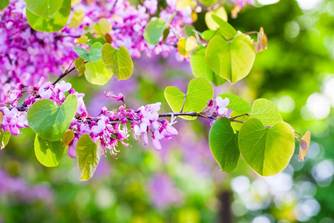
Redbud
Redbuds are deciduous trees that are native to both western (Cercis occidentalis) and eastern (Cercis canadensis) North America. Both species are known and prized for their striking flowers colored in vibrant shades of deep magenta and pink.
Redbuds are among the first trees to flower in spring which makes this tree an especially valuable resource to pollinators such as bees and hummingbirds. Its heart-shaped leaves also make it a perfect tree that symbolizes love and romance.
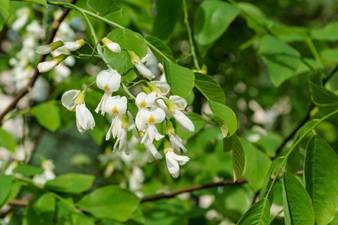
Kentucky Yellowwood
Kentucky Yellowwood (Cladastris kentukea) is celebrated for its elegant, cascading clusters of fragrant white flowers that bloom in late spring. Its smooth gray bark and brilliant yellow foliage in the fall add visual interest throughout the year. This medium-sized tree thrives in well-drained soils and offers a graceful, airy canopy that provides gentle shade.
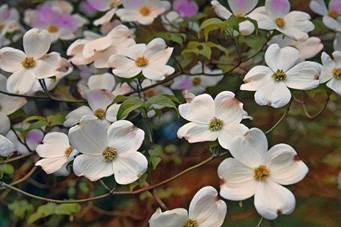
American Dogwood
American Dogwood (Cornus florida) is another stunning native tree, admired for its showy blooms in shades of white, pink, or red each spring. Its layered branches and vibrant red berries in the fall attract birds, making it a favorite for wildlife gardens. Dogwoods prefer partial shade and moist, rich soils, and they bring a delicate beauty to any landscape.
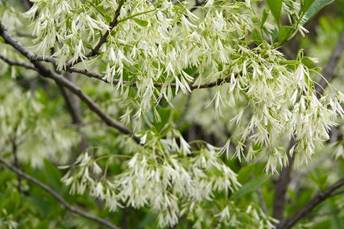
Fringetree
Fringetree (Chioanthus virginicus) is a beautiful tree known for its sweetly fragrant, lacy white flowers that bloom in late spring, taking center stage just as dogwood flowers are fading. It is a small native tree with a gracefully spreading growth habit that fits well into gardens and yards of all sizes.
In addition to its attractive spring blooms, fringetrees offer yellow fall color and blue-black fruit that provides valuable late season food for birds. Its adaptability and low maintenance requirements make it a versatile choice for homeowners.
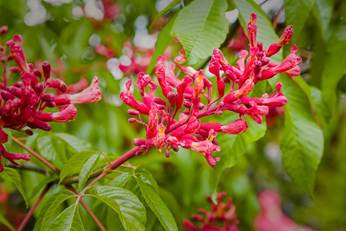
Buckeye
Buckeye trees (Aesculus species), also known as horse chestnuts, can be identified by their colorful flower clusters, distinctive palmate leaves, and shiny brown seeds that resemble chestnuts. They include many species and varieties that are native to regions all over the US, from California to the Midwest and northern and southern Atlantic regions.
The deep tubular flowers of the Buckeye come in a wide array of colors from deep red to yellow to creamy white, and they are a favorite nectar resource for hummingbirds. Their seeds, though poisonous to humans and pets, are a valuable food for a number of wildlife species such squirrels and chipmunks. 2
Buckeyes are also appreciated for their adaptability to different climates and soil conditions, making them an easy growing and reliable landscape selection for many areas of the country.
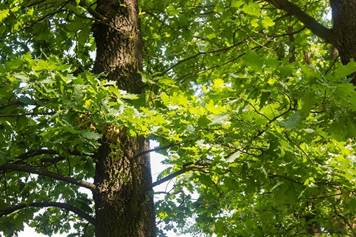
Native oaks
Throughout the world, oak trees (Quercus species) have long been cherished and revered for their strength, endurance, and long life. There are many oak species that are native to nearly all regions of the United States. Oak trees are prized for their majestic beauty and tall spreading growth, catching rainfall and casting cooling shade in the hot summer months.
Oak trees are also especially valuable as wildlife habitat, providing both shelter and food sources for birds and animals. Squirrels and chipmunks relish their acorns, and oak trees top the list for the number of caterpillars they host which are critical for parenting birds to feed their young.3
Plant for success
Equally important to choosing a tree to suit its location and purpose is planting it the right way. In fact, proper planting is frequently one of the most critical factors that determines a new tree’s future health and long-term success.
Planting a tree correctly can save significant future costs in maintenance and pest control. For tips on tree planting, consult resources such as the Arbor Day Foundation, your local state extension - or ask your Monster Arborist!
Need help planting? Call your local Monster Tree Service’s Tree Care Experts!
For Valentine’s Day this year, give a romantic gift that is uniquely special. Choose a native tree as a living gift and legacy for someone you love. Then make a call to your local Monster Tree Service to schedule a consultation and Professional Tree Planting Service. Our expert arborists and tree care professionals have the knowledge, experience, and resources to help you select, plant, and care for your new tree to ensure that it grows to stay healthy, beautiful, and trouble free for many years to come.